ICOM IC-A25N Handheld NAV/COM Transceiver w/ Bluetooth – Open Box: Professional Aviation Backup Radio
ICOM IC-A25N Handheld NAV/COM Transceiver w/ Bluetooth – Open Box: Professional Aviation Backup Radio
Blog Article
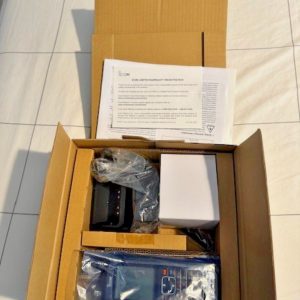
:::writingvariant="document" id="58314" ICOM IC-A25N Handheld NAV/COM Transceiver w/ Bluetooth – Open Box: Professional Aviation Backup Radio The ICOM IC-A25N Handheld NAV/COM Transceiver w/ Bluetooth – Open Box offers practical cockpit, emergency, training, and ground-use functionality in a compact handheld format. For budget-conscious pilots, an open-box radio may provide a practical balance between modern functionality, reliable construction, and competitive purchase value. A dependable ICOM IC-A25N Handheld NAV can become an important part of a pilot’s flight bag by providing portable communication capability whenever installed aircraft equipment is unavailable. The ICOM IC-A25N Aviation Radio is relevant to pilots who need dependable access to aviation frequencies while operating in the cockpit or around an airport. A portable ICOM IC-A25N Handheld Radio supports flexible aviation operations because it can remain with the pilot rather than being permanently installed in one aircraft. Choosing a Handheld NAV/COM Aviation Transceiver can support organized flight preparation, backup planning, and portable cockpit communication. Whether the device will function as a Handheld Aviation Radio, Aviation NAV/COM Radio, Pilot Handheld Radio, or Aircraft Communication Radio, users should become familiar with its controls before relying on it. The product can support pilots seeking a Portable Aviation Transceiver, Aviation Navigation Radio, ICOM Pilot Radio, or dependable Backup Aircraft Radio.
Understanding the ICOM IC-A25N Handheld NAV/COM Transceiver
This handheld transceiver offers pilots a convenient way to carry aviation communication equipment independently of the aircraft’s installed radio system. The device may help pilots reduce equipment clutter by integrating several useful capabilities into one flight-bag-friendly radio. A handheld radio can provide valuable support, but performance may depend on antenna position, aircraft structure, terrain, distance, interference, battery condition, and operating environment. Pilots should test the radio during routine conditions and become familiar with its operation before expecting to use it during an urgent situation.Choosing the ICOM IC-A25N Handheld NAV
An ICOM IC-A25N Handheld NAV may help pilots monitor frequencies, organize flight-related information, and maintain portable communication capability. Students may practice menu navigation, frequency entry, memory organization, display interpretation, and accessory setup in a controlled setting. Users should understand which functions are intended for reference, communication, navigation support, training, or emergency use. A complete preflight review can confirm that the radio is charged, configured, accessible, and ready to support the planned operation.Benefits of an ICOM IC-A25N Aviation Radio
Aviation professionals can carry the IC-A25N when moving between aircraft instead of depending entirely on equipment installed in one cockpit. Maintenance providers may monitor aviation activity while working outside the aircraft or coordinating ground movements. Buyers should consider the radio’s physical condition, battery age, charging equipment, antenna, clips, headset accessories, manuals, packaging, and evidence of proper operation. An independent review may provide additional confidence when the radio cannot be examined in person.ICOM IC-A25N Handheld Radio Convenience
The handheld format allows the radio to move with the pilot between personal, rental, training, business, and club aircraft. A secure carrying arrangement can keep the radio accessible without allowing it to move around the cockpit during turbulence or abrupt maneuvering. Users can review the interface in a quiet environment rather than learning controls during engine operation or busy airport activity. The radio should be removed from environments where condensation, fuel, oil, cleaning products, or maintenance debris may cause damage.Choosing a Handheld NAV/COM Aviation Transceiver
A feature-rich handheld transceiver can provide practical support while remaining compact enough for regular flight-bag use. Buyers should compare interface design, battery options, charging arrangements, antenna quality, accessory availability, display readability, audio performance, and operational needs. A brief function check can identify weak battery performance, loose accessories, damaged connectors, or configuration problems before departure. Any abnormal heat, charging issue, intermittent audio, damaged control, loose connector, or battery swelling should be investigated before further operation.Choosing a Handheld Aviation Radio
A Handheld Aviation Radio is a practical tool for private pilots, instructors, students, mechanics, aircraft owners, flight schools, and airport support personnel. The radio can also provide useful redundancy when an installed communication system experiences an unexpected problem. The operating manual and applicable aviation procedures should guide setup and use. Professional radio discipline includes listening carefully, transmitting clearly, using appropriate terminology, and keeping messages relevant.Benefits of an Aviation NAV/COM Radio
The combined platform can be useful during training because students can explore aviation radio functions with one portable device. Important features should be practiced on the ground before the radio is used during high-workload phases of flight. The device is most effective when integrated into a disciplined aviation workflow rather than treated as a single solution for every situation. A structured preflight routine helps the Aviation NAV/COM Radio deliver reliable and practical support.Maintaining a Pilot Handheld Radio
A Pilot Handheld Radio offers flexibility to aviation professionals whose work involves several aircraft, airports, and operational environments. A belt clip, protective case, organized side pocket, or approved mounting arrangement may help secure the radio during flight. A pilot should practice basic operations such as powering on, selecting a frequency, adjusting audio, transmitting appropriately, using memory functions, and checking battery status. Battery condition should be reassessed as the pack ages or shows reduced capacity, charging problems, unusual heat, or physical changes.Choosing an Aircraft Communication Radio
The IC-A25N can become part of an organized communication strategy for private pilots and aviation businesses. Clear communication depends on more than radio quality because users must understand procedures, frequencies, terminology, timing, and radio discipline. A portable radio may operate differently from the aircraft’s main communication system because antenna size, antenna position, output, and cockpit shielding can affect performance. A cracked housing, loose antenna connection, damaged battery latch, or unreliable control can affect usability even when the radio still powers on.Maintaining a Portable Aviation Transceiver
A Portable Aviation Transceiver offers communication mobility for pilots and aviation professionals who are not always positioned inside a powered aircraft. An accessory checklist may be useful for businesses or flight schools that issue the radio to different users. A wired backup arrangement may remain useful when Bluetooth accessories lose charge, disconnect, or experience interference. Careful setup allows portable wireless communication features to improve convenience without creating unnecessary cockpit distraction.Aviation Communication Device Applications
The ideal device balances functionality with an interface the user understands and can operate confidently. An open box may result from display, return, inspection, testing, damaged packaging, or another non-operational reason. Equipment logs can improve accountability when several instructors, pilots, or technicians share one transceiver. Clear labels and quick-reference instructions can reduce setup errors without replacing the complete operating manual.Handheld Aircraft Radio for Cockpit and Ground Use
The radio’s portable form allows pilots to monitor or communicate without remaining seated at the aircraft instrument panel. The radio provides practical value wherever access to aviation communication is useful away from a powered instrument panel. The pilot should route headset cables or charging leads carefully and avoid creating loops that can snag controls or occupants. The radio should be cleaned only with suitable methods that do not damage the display, housing, seals, labels, or controls.Aviation Navigation Radio Applications
The aviation-focused interface is intended to support pilots who need quick access to practical features in a compact format. Pilots should confirm which navigation functions are available, how they operate, and what limitations apply before relying on them. Portable functions are most useful when they complement rather than replace disciplined aviation decision-making. The manual and quick-reference information should be available until the pilot can use click here important functions confidently.ICOM Pilot Radio Applications
An ICOM Pilot Radio can appeal to aviation users who value an established communications manufacturer, aviation-focused controls, portable construction, and practical accessory support. Brand reputation should be considered alongside the condition and completeness of the specific unit being purchased. The device should support the pilot’s normal workflow rather than requiring accessories or procedures that are inconvenient or incompatible. Once acquired, the radio should be labeled, documented, configured, charged, tested, and stored in an accessible location.Emergency Aviation Radio Benefits
A backup transceiver should be included in emergency planning rather than carried without testing or operational preparation. A written quick-reference guide may help, but it should remain simple enough to use without creating distraction. Pilots should evaluate whether the radio can be heard clearly in the noise environment of their aircraft. Preparedness transforms an Emergency Aviation Radio from a stored accessory into a meaningful backup communication tool.Using a Backup Aircraft Radio
The IC-A25N offers portable communication and navigation-oriented functions that can support a layered aviation equipment strategy. A backup device should not be neglected simply because it is not used during every flight. The pilot should determine whether the radio will be operated through its built-in audio, Bluetooth accessory, or wired headset connection. The handheld radio should support safe aircraft management rather than draw attention away from immediate flight responsibilities.Inspecting an Open-Box ICOM IC-A25N
Buyers should review the radio body for scratches, cracks, missing labels, damaged controls, loose components, or wear around frequently handled areas. The seller should identify whether original packaging, manuals, warranty materials, and product registration documents remain available. The Bluetooth system should be checked for pairing, audio routing, connection stability, and compatibility with supported equipment. The buyer should inspect the radio promptly after delivery and report any missing items, damage, or functional concerns according to the agreed terms.Routine Care for a Handheld Aviation Radio
A professional handheld transceiver should be managed as aviation equipment rather than treated like an ordinary consumer radio. Inspection frequency may need to increase when the device is shared, carried daily, used outdoors, exposed to maintenance environments, or stored in an aircraft.- Check for cracks, loose parts, damaged buttons, display concerns, weak battery performance, antenna damage, charging problems, and missing accessories.
- Review essential controls on the ground so the radio can be operated confidently without unnecessary cockpit distraction.
- Protect the equipment from extreme temperature, direct sunlight, moisture, fuel, oil, cleaning chemicals, heavy tools, and accidental impact.